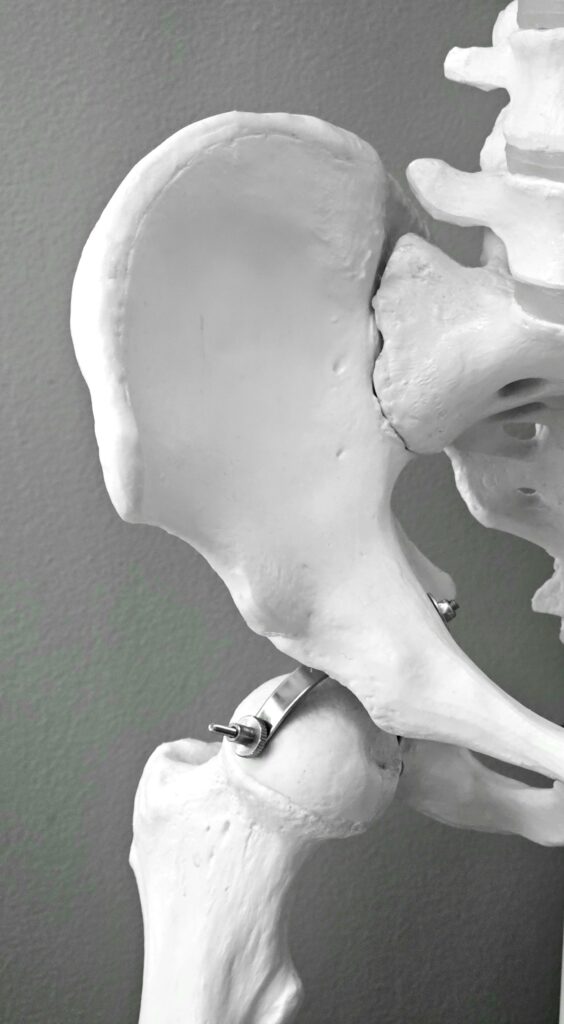
Forensic Anthropology is a course that introduces you to the work of anthropologists in the forensic arena, we will learn about the human skeleton, we will practice how to get information from the skeleton and we will look into the context of forensic anthropological work. Most of this is not going to be directly applicable to your future work environments, but embedded within the course are life skills that will be. You will be developing group working skills, analytical skills, report writing skills and will look at how to fit application into a larger picture of world events. These skills take practice, time and effort to master but the work is worth it and these skills will be beneficial in other areas of your lives. I really hope to use this course, and the lens of forensic anthropology, to help you with these skills and to benefit you as humans. But for this to work for you, you will need to put in the work, engage with authenticity and show up for yourself!
In building and running this course I see you as collaborators in the space. I have experience in the content to guide you and facilitate your learning but I cannot do the learning for you. I see you as adult learners, and thus view you as active and self-directed in your studies. There will be work you need to do that isn’t graded, there will be time you will need to invest that isn’t in class, and there will be effort you will need to put in that may not result in a 100% score. You will be working towards a goal, working towards improved skill, and working towards knowing a lot more about Forensic Anthropology. This will not happen the first time you try something, and you shouldn’t expect to get it perfect without practicing.
But don’t panic, I have planned the course with this in mind, I have planned to have multiple opportunities to practice a skill, I have planned to give you as much time as possible to work on improving outside of class, and I have planned to scaffold your learning.
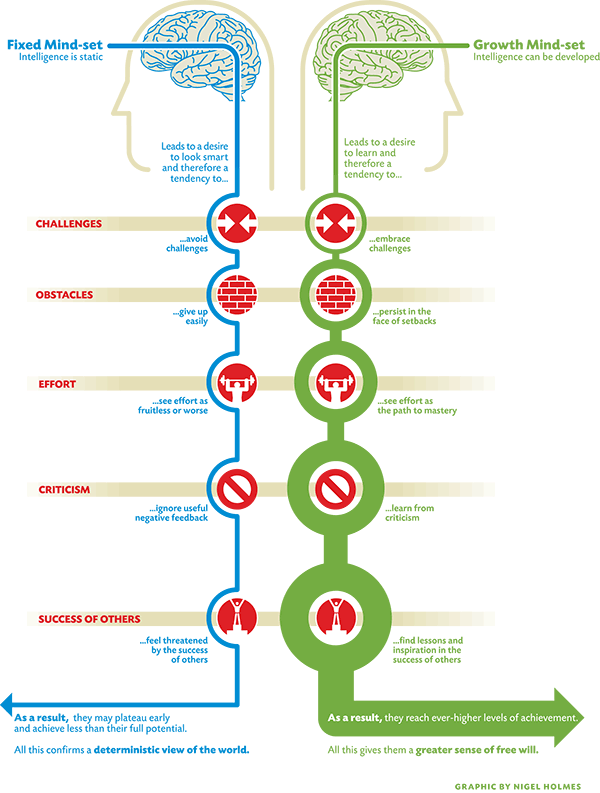
This approach is going to require learning maturity, and self-ownership of your learning. You are going to need to be able to reflect on how you can improve, what went wrong the first time, and how you can change and adapt your learning and practicing skills to get the most from the time you are investing in the course. This approach is called having a leaner’s mindset and research shows that having this approach, as opposed to a fixed mindset, can have significant impact on your ability to learn (Harapnuik, 2021). Thinking about tasks and evaluations as opportunities to improve, rather than an identification of areas of failure, means thinking about skill development as something you are working on, or can’t do yet, rather than something you can’t achieve. This is where I want you to be in this course- open to growth, open to trying, and open to imperfection so you can learn even more.
This may be a different approach than you have seen in other courses, and a different approach than you are used to. But we will collaborate, we will work together, and we will build everyone up collectively.
Want to know more? Check out these resources for the value of the Learner’s Mindset

References
Harapnuik, D. (2021, February 9). Learner’s Mindset Explained. It’s about Learning.